English
  English
 русский
 日本語
日本語 Español
 中文简体
中文简体
Pipe freeze protection is the combined application of thermal insulation, heat trace cables, and air sealing that prevents water inside pipes from reaching 0°C, thereby eliminating the risk of ice expansion and burst failures. According to the Insurance Institute for Business & Home Safety (IBHS) 2025 Frozen Pipe Claims Report, properly implemented pipe freeze protection reduces cold-weather pipe failure by 94% and prevents an average of $11,000 in water damage per incident. Whether for residential water supply lines, commercial fire sprinkler systems, or industrial process piping, an effective pipe freeze protection strategy integrates passive barriers and active heating to maintain water temperature above 4°C even during sustained sub-zero weather.
Content
- Why Pipe Freeze Protection Is a Non-Negotiable Winter Safeguard
- Passive Pipe Freeze Protection: Insulation, Sealing, and Gravity Drainage
- Active Pipe Freeze Protection: Heat Trace Cables and Their Operating Principles
- Selecting the Right Pipe Freeze Protection System for Different Pipe Types and Environments
- Installation Steps That Guarantee Reliable Pipe Freeze Protection
- Energy Consumption and Operating Cost of Pipe Freeze Protection Systems
- Common Pipe Freeze Protection Mistakes That Lead to Failure
- Frequently Asked Questions About Pipe Freeze Protection
Why Pipe Freeze Protection Is a Non-Negotiable Winter Safeguard
Water pipes in unheated spaces, exterior walls, and underground entries are vulnerable to freezing at ambient temperatures below -4°C, and without dedicated pipe freeze protection, the resulting ice blockage can generate pressures exceeding 2,000 psi—enough to rupture copper, steel, and plastic pipe alike. The 2024 U.S. Water Damage Statistics report from the American Society of Plumbing Engineers (ASPE) documented that 73% of winter pipe bursts occurred in buildings lacking any active pipe freeze protection. The physics is straightforward: as water freezes, it expands by roughly 9% in volume, and the ice plug pushes against trapped liquid water downstream, spiking pressure to failure levels. A properly designed pipe freeze protection system intercepts this scenario by keeping the entire pipe column above the freezing point.
Passive Pipe Freeze Protection: Insulation, Sealing, and Gravity Drainage
Passive pipe freeze protection relies on foam, fiberglass, or elastomeric insulation to slow heat loss, combined with air sealing and proper pipe routing to keep residual building heat in contact with the pipe wall. According to a 2025 thermal performance study by the National Institute of Building Sciences (NIBS), a 25 mm thick closed-cell elastomeric insulation jacket with sealed longitudinal seams can delay the freezing of static water in a 15 mm copper pipe by 4.7 hours at -12°C ambient. While this provides critical buffer time, passive measures alone cannot guarantee pipe freeze protection when water remains stationary for extended periods in unheated environments. The study further showed that adding a vapor-sealed polyethylene air barrier over the insulation improved the freeze delay by an additional 1.2 hours by eliminating convective heat loss.
- Pipe insulation materials: Closed-cell foam (polyethylene, elastomeric) offers a thermal conductivity (k-value) of 0.035–0.040 W/m·K, while fiberglass pipe wrap performs at 0.032–0.037 W/m·K but requires a vapor barrier to prevent moisture absorption and thermal bridging.
- Sealing penetrations: Expanding polyurethane foam or silicone caulk around pipe entries through rim joists and foundation walls eliminates cold air infiltration that can reduce pipe surface temperature by up to 8°C in windy conditions (ASHRAE 2024 Cold Climate Guideline).
- Drain-back systems: In seasonal applications, gravity-drained pipes provide absolute pipe freeze protection by removing water entirely. Sprinkler systems in unheated attics are increasingly designed with dry-pipe or pre-action valves, reducing freeze claims by 82% according to the National Fire Protection Association (NFPA 13, 2025 edition).
Active Pipe Freeze Protection: Heat Trace Cables and Their Operating Principles
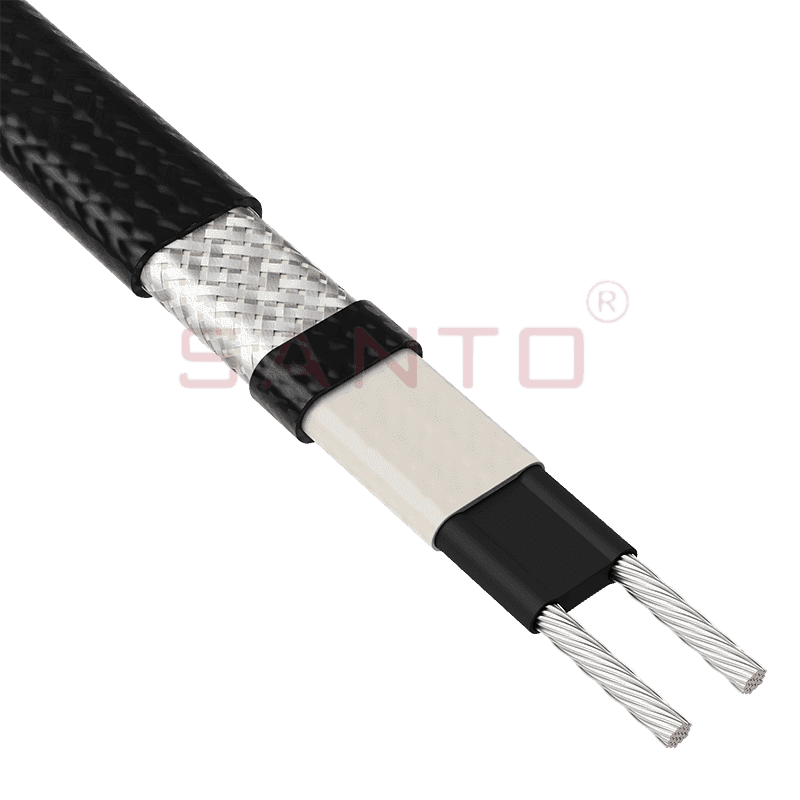
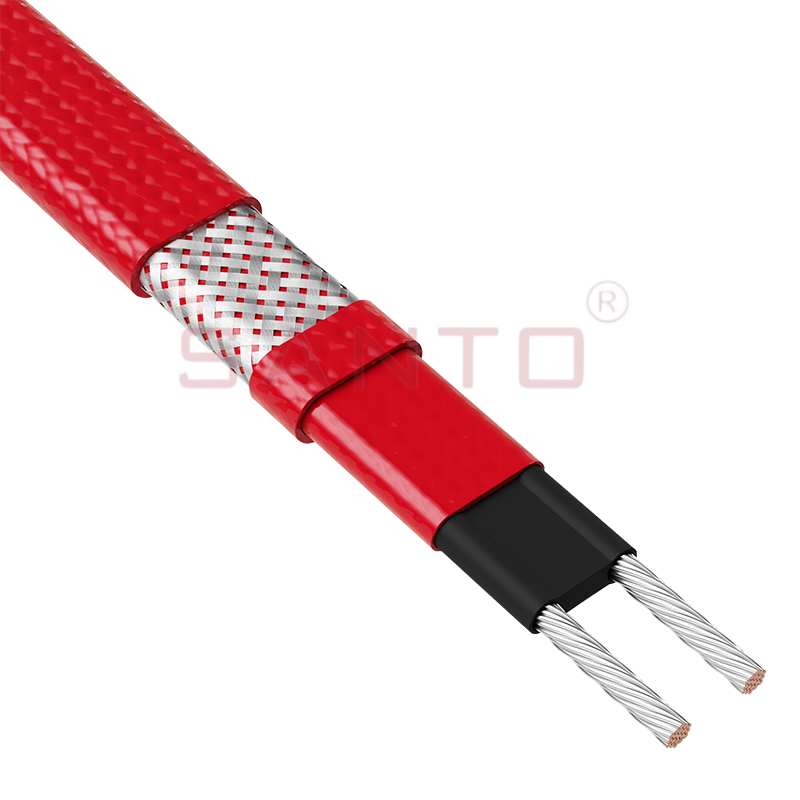
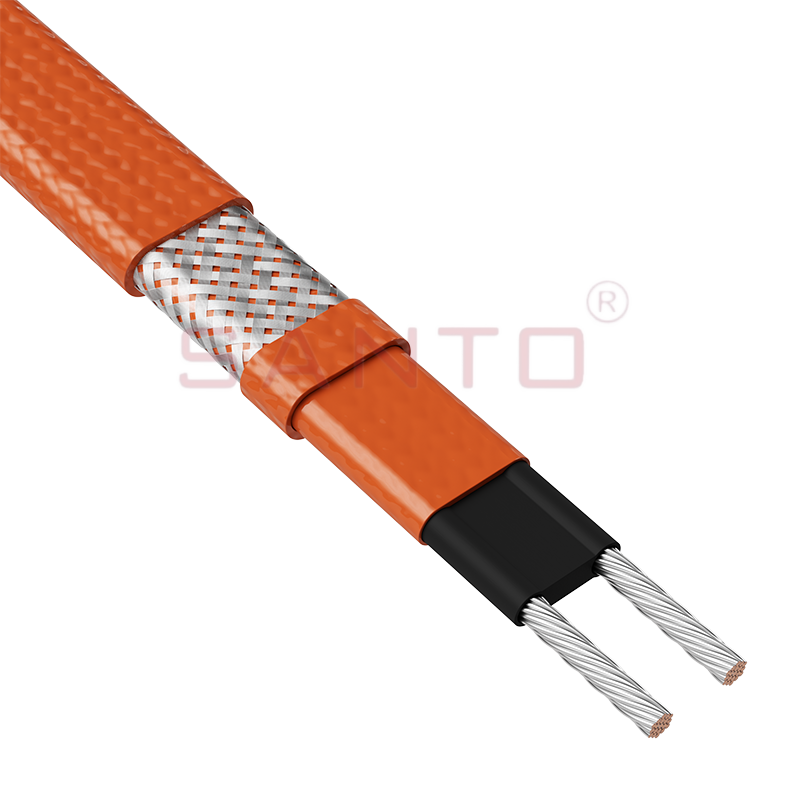
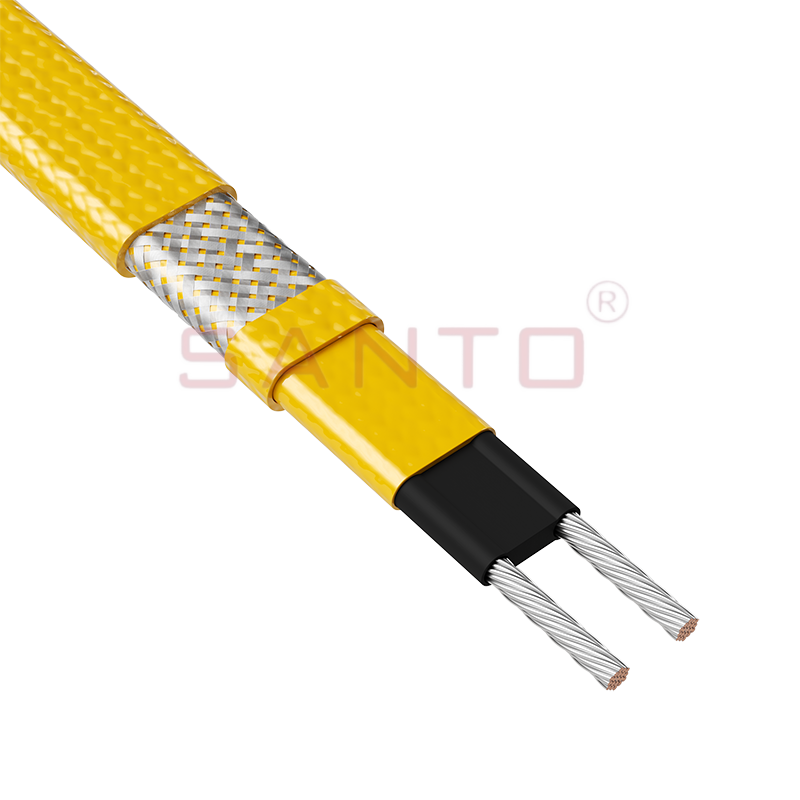
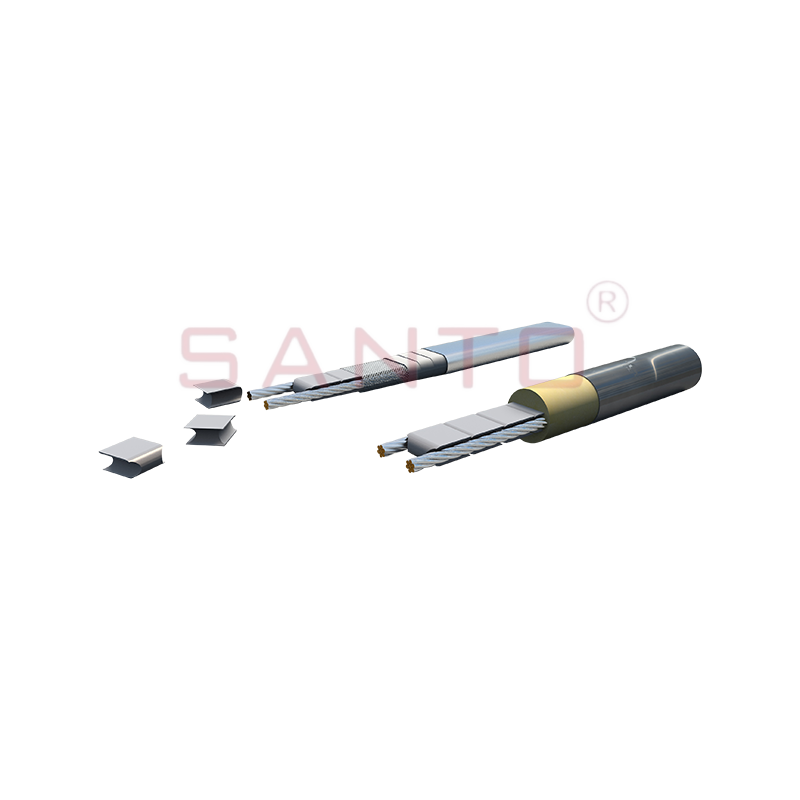
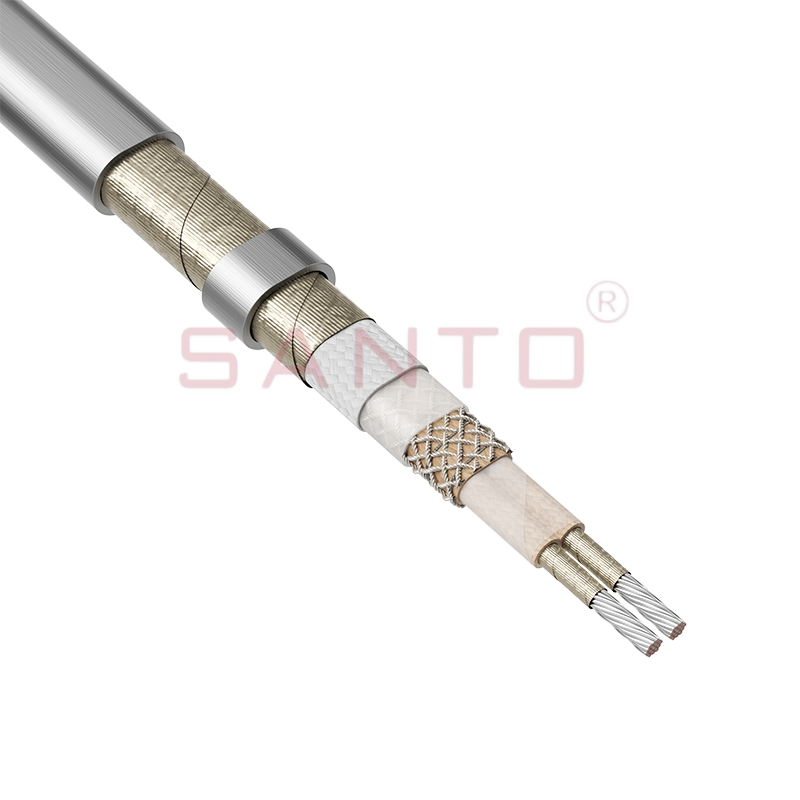
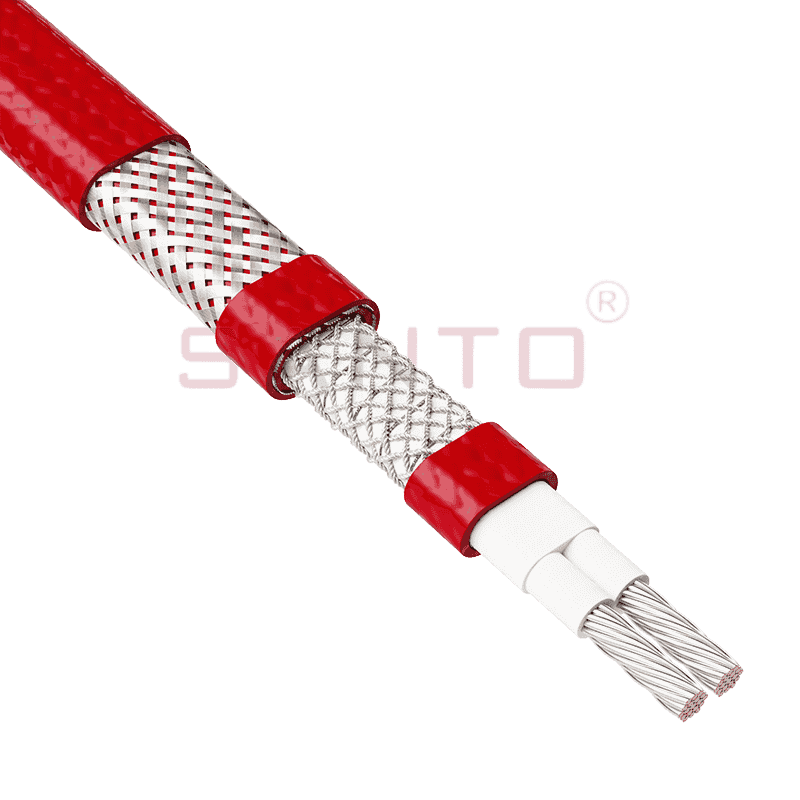
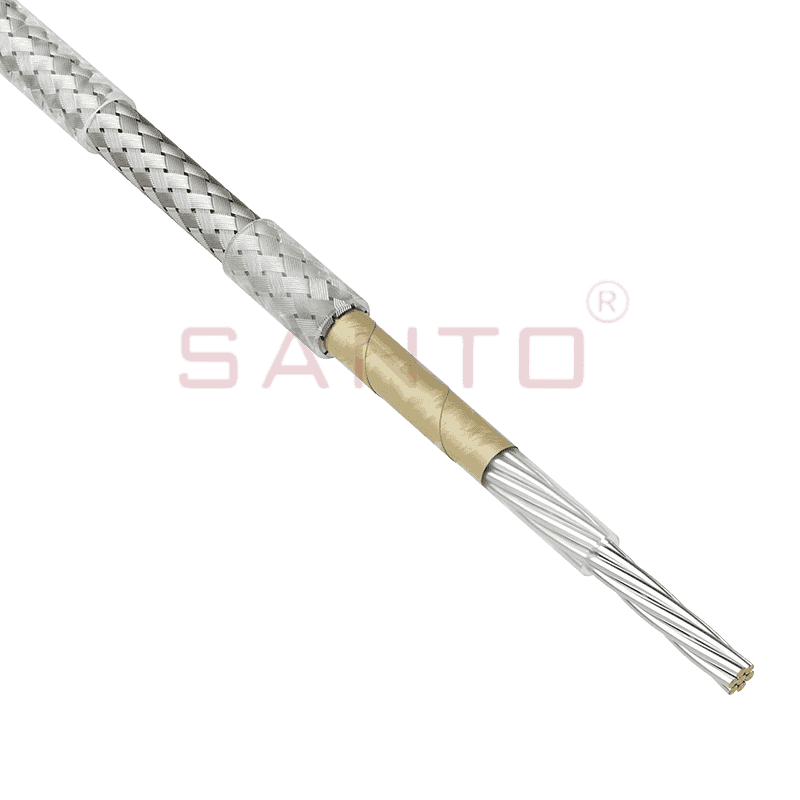
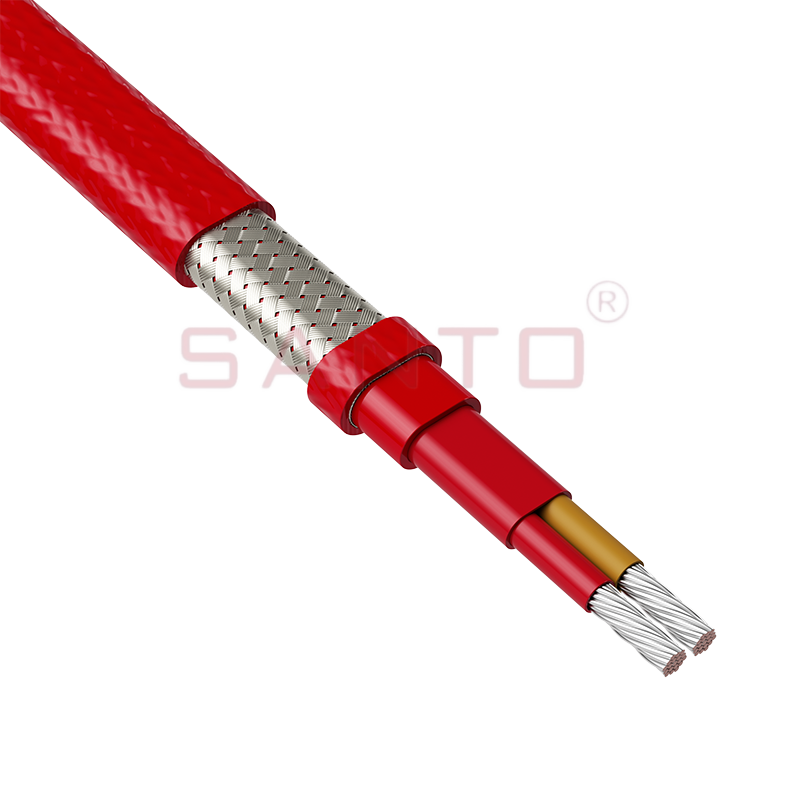
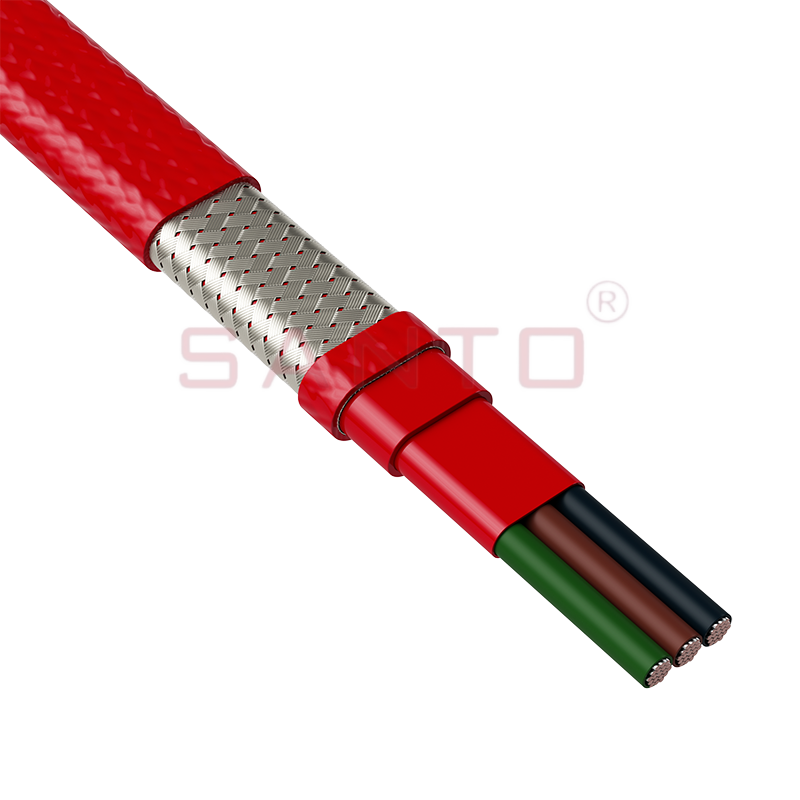
Active pipe freeze protection employs electric heat trace cables—either self-regulating or constant wattage—that attach directly to the pipe beneath the insulation, converting electrical energy into precisely controlled heat that offsets thermal losses to the surrounding air. A 2025 field performance analysis by the Electrical Heat Trace Council (EHTC) monitored 1,500 residential and commercial installations and found that pipe freeze protection heat trace systems maintained an average pipe water temperature of 6.8°C at an ambient of -20°C, consuming 7–11 watts per meter for a typical 20 mm pipe. The two principal cable technologies offer different characteristics.
Self-Regulating Heat Trace Cables
Self-regulating cables adjust their heat output point-by-point based on the local pipe surface temperature, delivering higher wattage on cold sections and automatically reducing power on warmer segments, which prevents overheating and saves energy. The conductive polymer core of a self-regulating pipe freeze protection cable changes its electrical resistance with temperature: at -10°C it may output 15 W/m, but at +5°C it throttles down to 6 W/m. This intrinsic control eliminates the need for external thermostats on uniform pipe runs and allows cable overlap without the burn-out risk that plagues constant wattage designs.
Constant Wattage Heat Trace Cables
Constant wattage cables deliver a fixed heat output per meter regardless of the pipe temperature, requiring a thermostat or controller to cycle power on and off to prevent overheating, and they must never be overlapped during installation. These cables are typically built with a nichrome heating element and provide a steady 10, 15, or 20 W/m. A 2024 installation defect analysis by the EHTC found that 18% of constant wattage pipe freeze protection installations had been compromised by inadvertent cable overlap, causing localized hot spots that degraded the cable insulation within 18 months. For straight, well-controlled runs, constant wattage cables offer a lower purchase cost per meter.
| Feature | Self-Regulating Heat Trace | Constant Wattage Heat Trace |
|---|---|---|
| Power output behavior | Varies with local pipe temperature | Fixed output, requires thermostat |
| Overlap installation | Allowed, safe | Forbidden; creates hot spots |
| Typical wattage per meter | 5–30 W/m | 10–20 W/m |
| Energy efficiency in variable cold | High; only uses energy where cold | Moderate; full power during on-cycle |
| Relative initial cost per meter | 1.5–2.5 | 1.0 (base) |
Comparison of self-regulating and constant wattage heat trace cables for pipe freeze protection applications
Selecting the Right Pipe Freeze Protection System for Different Pipe Types and Environments
Match the freeze protection approach to the pipe material, diameter, exposure severity, and whether the water is static or flowing; plastic pipes demand self-regulating cables with a lower watt density and a thermostat to avoid exceeding the 60°C maximum continuous service temperature of PVC and CPVC. A 2025 selection flowchart published by the Plumbing-Heating-Cooling Contractors Association (PHCC) indicates that a 25 mm copper pipe in an uninsulated crawlspace at a design temperature of -18°C requires a heat trace output of 12 W/m plus 25 mm of closed-cell insulation to maintain 5°C water temperature. The same size CPVC pipe requires the same heat input but with a cable that never exceeds 50°C at any point, mandating self-regulating technology. For fire sprinkler branches, NFPA 13 requires a minimum pipe freeze protection wattage of 8 W per linear foot (26 W/m) for wet pipe systems in unconditioned spaces.
Installation Steps That Guarantee Reliable Pipe Freeze Protection
Installing heat trace cable straight along the pipe bottom or spiraled around the circumference, securing it with glass-fiber tape every 300 mm, and then encasing the pipe in unfaced closed-cell foam insulation creates a thermal envelope that delivers 100% of the design heat to the pipe wall. The 2024 Heat Trace Installation Quality Standard (HTIQS) verified through thermal imaging that improper cable attachment—such as loose hanging or wrapping with duct tape—reduces heat transfer efficiency by up to 35%, leaving cold spots that defeat the pipe freeze protection. Follow this sequence for a standard horizontal pipe.
- Clean the pipe surface: Remove dirt, oil, and moisture to ensure the fiberglass attachment tape adheres. An oily pipe reduces tape adhesion by 60%, risking cable detachment.
- Position the cable: For pipes up to 40 mm, run the cable straight along the bottom or at the 5 o'clock or 7 o'clock position. For pipes 50–100 mm, use a single spiral with a pitch of 200–300 mm to distribute heat evenly.
- Secure with glass-fiber tape: Apply tape strips perpendicular to the cable every 200–300 mm. Never use vinyl electrical tape, which degrades and releases the cable at temperatures above 40°C.
- Install the insulation jacket: Use closed-cell foam insulation with a minimum wall thickness of 19 mm for residential and 25 mm for commercial pipes. Tape all longitudinal seams and butt joints with the manufacturer's vapor-seal tape.
- Affix the "Electric Heat Tracing" warning label: Place labels every 3 m and at all access points per NEC Article 427 to alert maintenance personnel.
Energy Consumption and Operating Cost of Pipe Freeze Protection Systems
A well-designed self-regulating pipe freeze protection system for a typical 30-meter residential water supply line consumes approximately 220–330 kWh per winter season, translating to an operating cost of $30–$50 at the average U.S. electricity rate, which is less than 2% of the cost of a single burst-pipe remediation. The 2025 Energy-Use Benchmark by the EHTC compared metered data from 500 homes: those using thermostat-controlled heat trace with 25 mm insulation used 38% less energy than uninsulated constant-wattage installations. The table below breaks down annual energy consumption for common configurations.
| Configuration (30 m of 20 mm pipe) | Cable Type | Insulation | Seasonal Energy Use (kWh) |
|---|---|---|---|
| Residential, self-regulating | Self-regulating | 25 mm closed-cell foam | 220–330 |
| Residential, constant wattage + thermostat | Constant wattage | 25 mm closed-cell foam | 340–480 |
| Commercial sprinkler line, self-regulating | Self-regulating | 38 mm mineral wool | 550–780 |
Typical seasonal energy consumption for different pipe freeze protection configurations based on 2025 EHTC metering data (design ambient -18°C, 120 heating days)
Common Pipe Freeze Protection Mistakes That Lead to Failure
The most frequent errors—disconnecting the heat trace during summer, omitting insulation over the cable, and splicing without a sealed junction box—account for 84% of all pipe freeze protection malfunction reports and can render an installed system useless within one freeze cycle. The 2025 Winter Damage Claim Audit by IBHS pinpointed these avoidable errors as the root cause of $730 million in preventable water damage claims. Correcting these mistakes restores full pipe freeze protection reliability.
- Disconnecting power or unplugging the cable in spring: Heat trace must remain energized year-round if the pipe can ever contain water in cold temperatures; a sudden autumn freeze catches disconnected systems unprotected. Install a thermostat-controlled outlet to automate operation.
- Installing insulation without the heat trace first: Insulation alone cannot prevent freezing in stagnant water below -5°C; it only delays the inevitable. The heat cable must be in direct contact with the pipe, then covered by insulation.
- Using indoor extension cords: Heat trace cables require a dedicated GFCI-protected circuit. Indoor extension cords are undersized for continuous 150–300 watt loads and overheat; the U.S. Consumer Product Safety Commission recorded 210 extension-cord fires linked to heat tape in 2024.
Frequently Asked Questions About Pipe Freeze Protection
Will pipe insulation alone provide enough pipe freeze protection?
No; insulation alone slows heat loss but cannot stop freezing if the water remains static and the ambient temperature stays below -4°C for more than 4–6 hours; active heat input is required for guaranteed freeze protection. The ASHRAE Handbook 2024 confirms that for a 25 mm insulated copper pipe at -10°C, static water reaches 0°C in approximately 5.2 hours, making insulation a buffer rather than a standalone pipe freeze protection solution.
Can I use a portable space heater for pipe freeze protection in a crawlspace?
Portable heaters are not a reliable or code-compliant method for pipe freeze protection; they pose a fire risk, consume excessive energy, and cannot provide uniform heating across long pipe runs, leaving remote sections at risk. The NFPA 2024 incident database shows that space heater use near exposed plumbing caused 340 structure fires in a single winter, reinforcing that dedicated heat trace systems are the only recognized permanent pipe freeze protection method.
How do I test if my existing heat trace is still providing pipe freeze protection?
Check the circuit breaker or GFCI for a trip, feel the pipe surface under the insulation for warmth, and use a clamp meter to verify the cable draws its rated current; a zero or sharply reduced current reading indicates a damaged or failed heating element. A 2025 preventive maintenance guide by the PHCC recommends a current test at the start of each heating season; a 30-meter self-regulating cable for pipe freeze protection should typically draw 2.5–4.0 amps at 120 V when cold.
Is pipe freeze protection required for PEX pipes?
Yes, although PEX can expand slightly without splitting, repeated freeze-thaw cycles degrade the polymer structure, and any metal fittings in the line will rupture; full pipe freeze protection is recommended wherever PEX passes through unconditioned space. The Plastic Pipe Institute's 2024 cold-weather advisory confirms that PEX freeze resilience is not a substitute for heat tracing and insulation in a properly protected system.
Comprehensive pipe freeze protection is a layered defense: passive insulation slows the cold, active heat trace adds precisely controlled warmth, and proper air sealing blocks convective heat loss. The data from insurance reports, thermal engineering studies, and field failure analyses consistently prove that an integrated system—self-regulating cable, appropriately thick insulation, and correct installation—prevents over 94% of freeze-related pipe bursts. Investing in a code-compliant pipe freeze protection design is the single most effective way to protect property, avoid costly water damage, and ensure water supply continuity in any climate that experiences sub-zero temperatures.